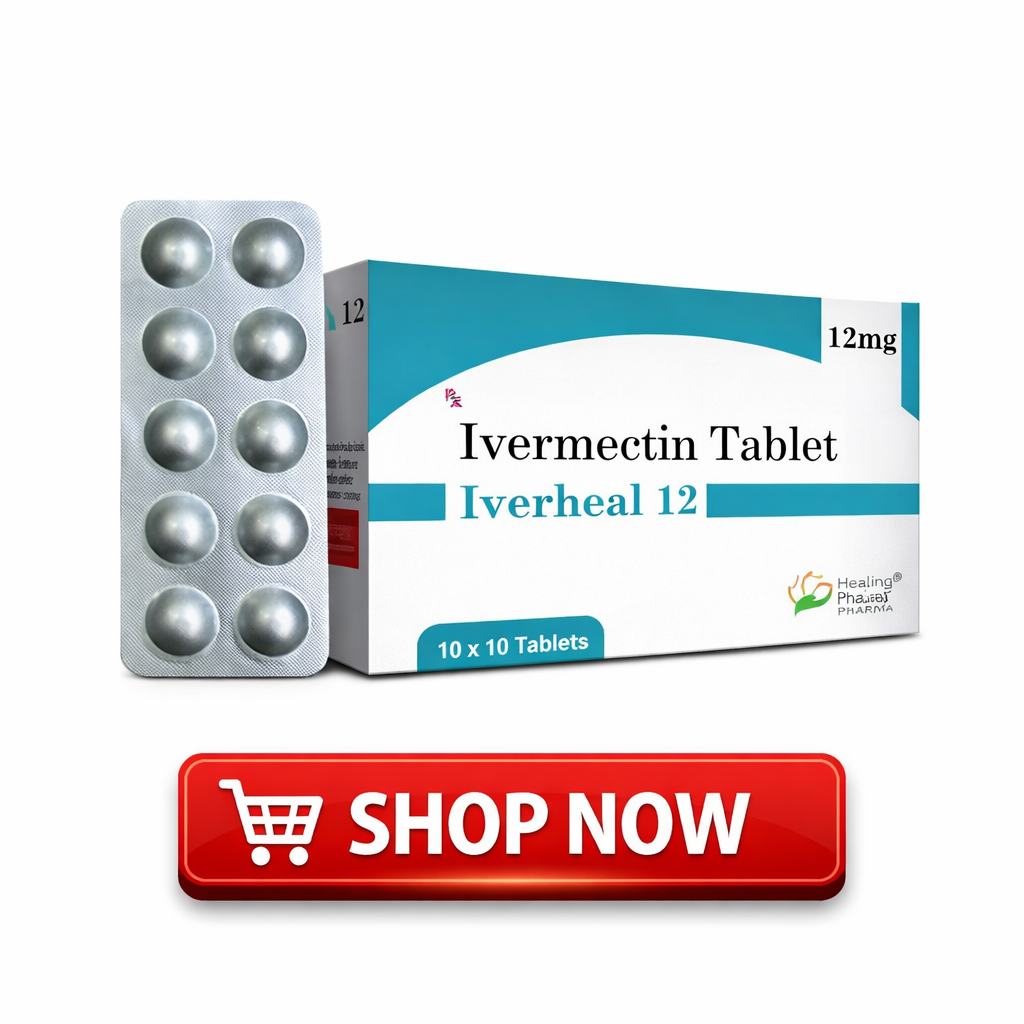
Ivermectin 12 mg tablets are an oral antiparasitic medication containing ivermectin as the active pharmaceutical ingredient. Ivermectin belongs to a class of medicines known as anthelmintics, which are used to treat certain parasitic infections caused by susceptible organisms.
Parasitic infections can affect different parts of the human body, including the intestinal tract, skin, and other tissues. Depending on the type of infection, healthcare professionals may recommend an appropriate antiparasitic medicine to eliminate the responsible parasites and help improve associated symptoms.
Ivermectin has an established role in treating specific parasitic conditions, including intestinal strongyloidiasis and onchocerciasis. It may also be prescribed for certain other conditions, such as scabies, under appropriate medical guidance.
This article explores Ivermectin 12 mg tablets, including their uses, working mechanism, potential benefits, administration, precautions, possible side effects, and frequently asked questions.
What Are Ivermectin 12 mg Tablets?
Ivermectin 12 mg tablets are an oral formulation of ivermectin, an antiparasitic agent that works against certain parasitic organisms.
The medicine is designed to interfere with the normal functioning of susceptible parasites, ultimately causing paralysis and death. This helps the body eliminate the parasites responsible for particular infections.
Ivermectin is available in different tablet strengths depending on the manufacturer and country. A 12 mg tablet should not automatically be considered an appropriate dose for every patient. The required amount depends on the diagnosed infection, body weight, medical history, and healthcare professional’s instructions.
Product Overview
- Product name: Ivermectin 12 mg Tablets
- Active ingredient: Ivermectin
- Strength: 12 mg per tablet
- Dosage form: Oral tablet
- Drug category: Antiparasitic medication
- Therapeutic class: Anthelmintic
- Administration: Oral
- Availability: Subject to local prescription and regulatory requirements
Ivermectin should only be used for appropriate medical indications under professional supervision.
How Does Ivermectin Work?
Understanding the working mechanism of ivermectin helps explain its role in managing certain parasitic infections.
Ivermectin acts on specific chloride channels regulated by glutamate in susceptible invertebrate organisms. These channels are important for controlling nerve and muscle activity.
When ivermectin interacts with these channels, it increases the movement of chloride ions across cell membranes. This causes hyperpolarisation of nerve and muscle cells, interfering with normal neuromuscular function.
As a result, susceptible parasites become paralysed and eventually die or lose their ability to survive.
The medicine has a selective mechanism of action because the relevant glutamate-gated chloride channels are characteristic of invertebrates and are not present in humans in the same way.
The effectiveness of treatment depends on the parasite involved, the infection being treated, and the prescribed treatment regimen.
Medical Uses of Ivermectin 12 mg Tablets
Ivermectin is used to manage certain parasitic infections. Its approved indications differ between countries, so patients should follow the locally applicable prescribing information.
1. Treatment of Strongyloidiasis
Strongyloidiasis is an intestinal parasitic infection caused by Strongyloides stercoralis.
The parasite can enter the human body through contact with contaminated soil and subsequently establish an infection in the intestinal tract.
Some people experience symptoms such as:
- Abdominal discomfort
- Diarrhoea
- Nausea
- Skin irritation
- Unexplained gastrointestinal symptoms
Ivermectin is an established treatment for intestinal strongyloidiasis. A healthcare professional determines the appropriate treatment according to body weight and clinical circumstances.
2. Management of Onchocerciasis
Onchocerciasis, commonly known as river blindness, is a parasitic disease caused by Onchocerca volvulus.
The infection is transmitted through the bites of infected blackflies and can affect the skin and eyes.
Possible symptoms include:
- Persistent itching
- Skin changes
- Skin nodules
- Eye inflammation
- Visual impairment
Ivermectin helps control the infection by targeting developing parasite stages. It does not eliminate adult Onchocerca worms, so ongoing medical follow-up may be necessary.
3. Scabies Management
Scabies is a contagious skin infestation caused by microscopic mites known as Sarcoptes scabiei.
Common symptoms include:
- Intense itching
- Small red bumps
- Skin irritation
- Burrow-like marks
- Increased itching during nighttime
Oral ivermectin may be prescribed by healthcare professionals for selected cases of scabies.
Treatment decisions depend on the severity of the infestation, patient characteristics, and clinical guidelines. Topical permethrin is another commonly recommended treatment.
4. Other Parasitic Infections
Ivermectin may have a role in managing other susceptible parasitic infections in selected circumstances.
However, not every worm or parasite responds to ivermectin. Different infections require different medicines, and the correct treatment should be selected after proper diagnosis.
Potential Benefits of Ivermectin Tablets
When prescribed for an appropriate parasitic infection, ivermectin offers several therapeutic advantages.
Targeted antiparasitic activity: Its mechanism of action targets specific biological processes in susceptible parasites.
Established medical use: Ivermectin has been used internationally for several decades to manage particular parasitic diseases.
Oral administration: Tablet formulations provide a convenient oral route of administration.
Weight-based treatment: Healthcare professionals can determine treatment amounts according to the patient’s body weight and the diagnosed condition.
Multiple therapeutic applications: Ivermectin has established uses in managing certain parasitic infections, although its suitability depends on the individual diagnosis.
It is important to understand that these benefits apply only to appropriate medical uses. Ivermectin is not a general-purpose treatment for infections or other unrelated health conditions.
Ivermectin 12 mg Dosage and Administration
The appropriate ivermectin dosage varies according to the condition being treated, body weight, age, medical history, and other clinical factors.
A 12 mg tablet is a particular tablet strength, not a universal treatment dose.
Healthcare professionals calculate the required amount according to the specific treatment guidelines.
Patients should consider the following administration precautions:
- Take the medication only when prescribed by a qualified healthcare professional.
- Follow the instructions provided on the prescription label.
- Do not increase or repeat the dose without medical advice.
- Do not assume that one tablet is appropriate for every parasitic infection.
- Consult a pharmacist if the tablet strength or administration instructions are unclear.
- Complete any recommended medical follow-up.
The official prescribing information for human ivermectin tablets describes condition-specific, weight-based dosing. Therefore, individualised medical advice is essential.
Possible Side Effects of Ivermectin
Like other prescription medicines, ivermectin may cause side effects in some individuals.
The type and severity of adverse reactions can vary depending on the patient, underlying infection, and treatment circumstances.
Commonly Reported Side Effects
Some possible side effects include:
- Nausea
- Diarrhoea
- Dizziness
- Headache
- Abdominal discomfort
- Fatigue
- Skin itching
Certain reactions may also be associated with the body’s response to dying parasites.
Serious Side Effects
Although uncommon, more serious reactions can occur.
Seek immediate medical attention if you experience:
- Severe allergic reactions
- Difficulty breathing
- Significant swelling
- Confusion
- Seizures
- Severe dizziness
- Problems with coordination or balance
- Loss of consciousness
Patients should not ignore unusual or worsening symptoms after taking ivermectin.
Precautions Before Taking Ivermectin 12 mg Tablets
Before starting treatment, patients should discuss their medical history and current medications with their healthcare professional.
Pregnancy and Breastfeeding
The safety of ivermectin during pregnancy has not been sufficiently established for all clinical circumstances.
Pregnant or breastfeeding individuals should not start treatment without professional medical advice.
Children
The safety of oral ivermectin in children weighing less than 15 kg has not been established adequately.
A paediatric healthcare professional should determine the appropriate treatment.
Liver Health
Ivermectin is metabolised in the liver. Patients with existing liver problems should inform their healthcare provider before beginning treatment.
Existing Medical Conditions
Individuals with chronic illnesses, neurological conditions, or complicated parasitic infections may require additional assessment and monitoring.
Medication Interactions
Ivermectin may interact with certain medicines.
Inform your healthcare professional about all prescription medicines, non-prescription products, and supplements you currently use.
Who Should Avoid Self-Medicating With Ivermectin?
Ivermectin should never be taken casually or used without an appropriate medical assessment.
Self-medication may result in incorrect dosing, unnecessary exposure to adverse effects, or delayed treatment of the actual underlying condition.
Special caution is necessary for:
- Pregnant individuals
- Breastfeeding individuals
- Young children
- Patients with significant liver conditions
- Individuals taking interacting medicines
- People with unexplained symptoms without a confirmed diagnosis
Veterinary ivermectin products must never be substituted for human medicines. Animal formulations may have different concentrations and ingredients and can cause serious harm when used by people.
Storage Instructions
Proper storage helps maintain the quality of pharmaceutical products.
General storage recommendations include:
- Store tablets according to the manufacturer’s instructions.
- Keep the medicine in its original packaging.
- Protect tablets from excessive heat and moisture.
- Keep the product away from direct sunlight.
- Store medicines out of the reach of children.
- Do not use tablets beyond their printed expiry date.
- Avoid using tablets with damaged or compromised packaging.
Always follow the storage instructions supplied with the specific product.
Frequently Asked Questions About Ivermectin 12 mg Tablets
1. What are Ivermectin 12 mg tablets used for?
Ivermectin is an antiparasitic medicine used to treat certain parasitic infections, including intestinal strongyloidiasis and onchocerciasis. Other uses may depend on local medical guidelines and professional assessment.
2. How does ivermectin work?
Ivermectin acts on specific chloride channels in susceptible parasites. This interferes with their nerve and muscle function, leading to paralysis and death.
3. Is Ivermectin 12 mg suitable for everyone?
No. Suitability depends on the patient’s diagnosis, body weight, age, medical history, and other medications. A healthcare professional must determine whether it is appropriate.
4. Can ivermectin treat scabies?
Oral ivermectin may be prescribed for certain cases of scabies. Treatment choice depends on individual circumstances, and topical permethrin is another established treatment option.
5. Can I take ivermectin without a prescription?
Patients should use ivermectin only under the supervision of a qualified healthcare professional and obtain human formulations from legitimate pharmaceutical sources.
6. What are the common side effects?
Possible side effects include nausea, diarrhoea, dizziness, headache, abdominal discomfort, and itching. Serious reactions require immediate medical attention.
7. Can ivermectin be used to treat COVID-19?
Ivermectin is not authorised or approved by the US FDA for preventing or treating COVID-19. It should not be used for this purpose.
8. Does ivermectin kill every type of parasite?
No. Ivermectin is effective against certain susceptible parasites but is not suitable for every parasitic infection. Correct diagnosis is important for selecting the appropriate medication.
9. How should I store ivermectin tablets?
Store the tablets according to the manufacturer’s recommendations, protect them from excessive heat and moisture, and keep them away from children.
10. Should I repeat the dose if symptoms continue?
Do not repeat the dose independently. Persistent symptoms may indicate that further evaluation, a different treatment, or follow-up testing is necessary.
Conclusion
Ivermectin 12 mg tablets contain an established antiparasitic ingredient used in the management of specific parasitic infections. Its mechanism of action involves interfering with the normal nerve and muscle activity of susceptible parasites.
The medicine has recognised clinical applications, including the treatment of intestinal strongyloidiasis and onchocerciasis. Oral ivermectin may also be considered for selected cases of scabies under appropriate medical guidance.
However, the correct treatment regimen depends on the patient’s diagnosis, body weight, health status, and individual medical requirements. The 12 mg tablet strength should not be interpreted as a standard dose for everyone.
For safe and effective treatment, patients should obtain professional medical advice, use genuine human pharmaceutical products, and follow the prescribed instructions carefully.
Medical Disclaimer: This article is intended for general educational and informational purposes. It does not replace professional medical advice, diagnosis, or treatment. Ivermectin should only be used under the direction of a qualified healthcare professional.