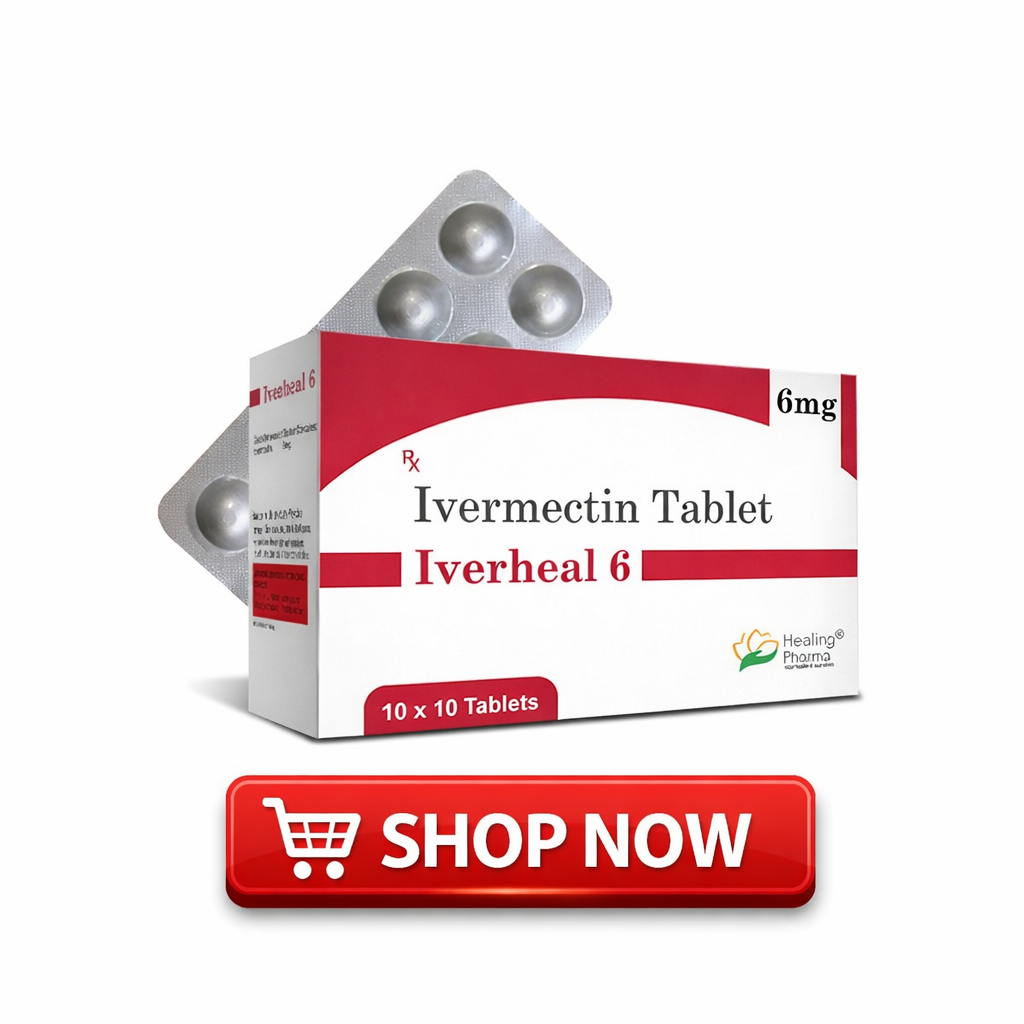
Ivermectin 6mg is an oral antiparasitic medication containing ivermectin as its active ingredient. It belongs to a group of medicines known as anthelmintics, which are used to treat certain infections caused by parasitic organisms. Healthcare professionals may prescribe ivermectin for specific parasitic conditions, depending on the patient’s diagnosis, medical history and treatment requirements.
Parasitic infections can affect different parts of the body, including the intestinal tract and skin. Some infections may cause itching, irritation, digestive discomfort and other symptoms. Appropriate diagnosis and treatment are important for managing these conditions and reducing the risk of complications.
Ivermectin is an established antiparasitic medicine with recognised medical applications. However, the 6mg tablet strength should not be confused with a complete treatment regimen. The correct dose depends on several factors, particularly body weight and the condition being treated.
This guide explains Ivermectin 6mg, its medical uses, how it works, administration considerations, possible side effects and important precautions.
What Is Ivermectin 6mg?
Ivermectin 6mg is a tablet formulation containing 6 milligrams of ivermectin. The active ingredient works against certain parasites by interfering with their nervous system and muscular function.
Ivermectin is primarily used under medical supervision for particular parasitic infections. Depending on local regulatory approvals and clinical guidance, doctors may prescribe it for conditions such as:
- Intestinal strongyloidiasis.
- Onchocerciasis (river blindness).
- Certain other parasitic infections where clinically appropriate.
- Scabies in selected circumstances, depending on local guidelines.
Not every ivermectin formulation is approved for every condition. Oral tablets and topical ivermectin products have different indications and should not be considered interchangeable.
Ivermectin 6mg is a prescription medicine in many markets. Patients should obtain it through legitimate, regulated pharmacies and follow professional medical advice.
How Does Ivermectin Work?
Ivermectin works by interfering with specific chloride channels in the nervous systems of susceptible parasites.
These channels help regulate nerve and muscle activity. When ivermectin interacts with the relevant channels, it increases chloride-ion movement across cell membranes. This disrupts normal nerve signalling and can cause paralysis and death of susceptible parasites.
The medicine has a selective action because the relevant biological targets differ between parasites and humans. Nevertheless, incorrect use, excessive doses or unsuitable formulations can cause serious adverse effects.
Ivermectin does not work against every parasite or infectious organism. Its suitability depends on the particular organism responsible for the infection.
Medical Uses of Ivermectin 6mg
1. Treatment of Intestinal Strongyloidiasis
Strongyloidiasis is a parasitic infection caused by Strongyloides stercoralis. The parasite can enter the body through contact with contaminated soil and may eventually establish an infection in the intestinal tract.
Symptoms can include:
- Abdominal discomfort.
- Diarrhoea.
- Nausea.
- Skin irritation.
- Respiratory symptoms in some cases.
Some infected individuals may not experience noticeable symptoms.
Oral ivermectin is an established treatment for intestinal strongyloidiasis. A healthcare professional determines the appropriate treatment according to the patient’s weight, infection status and medical history.
2. Treatment of Onchocerciasis
Onchocerciasis, also known as river blindness, is a parasitic disease caused by Onchocerca volvulus. It is transmitted through repeated bites from infected blackflies.
The infection can affect the skin and eyes. Possible symptoms include:
- Persistent itching.
- Skin inflammation.
- Skin changes.
- Eye inflammation.
- Visual impairment.
Ivermectin helps reduce the number of developing parasite larvae in the body. However, it does not eliminate adult Onchocerca worms, so repeated treatment and medical monitoring may be necessary.
3. Scabies Treatment in Selected Patients
Scabies is a contagious skin infestation caused by the Sarcoptes scabiei mite. It commonly produces intense itching, especially at night, and a characteristic skin rash.
Oral ivermectin may be considered by healthcare professionals for certain patients, including selected cases where topical treatment is unsuitable or has not worked.
Treatment recommendations depend on the patient’s circumstances and local clinical guidelines. Household contacts may also require assessment and treatment to reduce reinfestation.
Importantly, oral ivermectin is not automatically the first treatment for every scabies infection.
Ivermectin 6mg Dosage and Administration
The correct ivermectin dosage is determined by a healthcare professional. It is not appropriate to assume that one 6mg tablet is suitable for every adult or every parasitic infection.
Factors affecting the prescribed regimen include:
- Body weight.
- Type of parasitic infection.
- Severity of the condition.
- Medical history.
- Other medicines being taken.
- Previous treatment response.
For some approved oral indications, ivermectin is prescribed as a weight-based dose. Other conditions may require different treatment schedules or additional doses.
How Should Ivermectin Tablets Be Taken?
Patients should follow the instructions supplied with their particular medicine and the directions provided by their prescriber.
General administration considerations include:
- Take the prescribed amount with water.
- Follow the recommended instructions concerning food.
- Do not take additional tablets without medical advice.
- Do not repeat treatment simply because symptoms continue.
- Attend recommended follow-up appointments.
Some oral ivermectin product information recommends taking tablets on an empty stomach, with no food for two hours before and after administration. Always follow the specific instructions for your prescribed formulation.
Possible Benefits of Ivermectin
When prescribed for an appropriate parasitic infection, ivermectin offers several important therapeutic advantages.
Established antiparasitic action: Ivermectin has recognised activity against certain parasites and is used in established treatment protocols.
Oral administration: Tablet formulations provide a convenient oral treatment option for patients who have been prescribed this medicine.
Targeted treatment: Its action against susceptible parasites makes it useful for particular parasitic diseases.
Weight-based prescribing: Healthcare professionals can calculate an appropriate dose according to the patient’s weight and clinical requirements.
Established medical use: Ivermectin has been used in human medicine for several decades.
These benefits depend on using the correct formulation for an appropriate medical indication. Ivermectin is not a general-purpose treatment for infections.
Possible Side Effects of Ivermectin 6mg
Like other prescription medicines, ivermectin may cause side effects. Not everyone experiences them, and their severity can vary.
Possible side effects include:
- Dizziness.
- Nausea.
- Diarrhoea.
- Headache.
- Abdominal discomfort.
- Itching.
- Skin rash.
- Tiredness.
Some reactions may be associated with the body’s response to dying parasites rather than a direct effect of the medicine.
Serious Side Effects
Although uncommon, serious reactions can occur. These may include severe allergic reactions, neurological symptoms and significant changes in blood pressure.
Seek urgent medical attention if you experience:
- Difficulty breathing.
- Swelling of the face, lips or throat.
- Severe skin reactions.
- Confusion or reduced alertness.
- Seizures.
- Severe dizziness or difficulty maintaining balance.
Do not ignore unusual or worsening symptoms after taking ivermectin.
Important Precautions Before Taking Ivermectin
Before starting treatment, discuss your medical history with your doctor or pharmacist.
Pregnancy and Breastfeeding
If you are pregnant, planning pregnancy or breastfeeding, seek professional advice before using ivermectin. The potential benefits and risks must be assessed individually.
Liver Conditions
Inform your healthcare professional about existing liver problems or other significant medical conditions.
Other Medications
Tell your doctor about all medicines, supplements and herbal products you currently use. Ivermectin may interact with certain medicines, including some drugs that affect blood clotting.
Children
Ivermectin dosing in children requires particular care. Weight restrictions and product-specific recommendations apply. Never give a child an adult tablet without professional instructions.
Allergies
Do not take ivermectin if you have a known allergy to ivermectin or any ingredient in the particular formulation unless a healthcare professional has assessed the situation.
Can Ivermectin 6mg Treat COVID-19?
Ivermectin should not be promoted or used as a treatment or preventive medicine for COVID-19.
The US Food and Drug Administration has not approved ivermectin for preventing or treating COVID-19. Available clinical evidence has not established it as an effective treatment for this viral infection.
Ivermectin is an antiparasitic medicine, not a general antiviral medication. Patients experiencing COVID-19 symptoms should seek appropriate medical advice and use evidence-based treatment options.
Storage and Handling
Proper storage helps maintain the quality of medicines.
General storage recommendations include:
- Keep tablets in their original packaging.
- Store according to the manufacturer’s instructions.
- Protect the medicine from excessive heat and moisture.
- Keep it away from direct sunlight where instructed.
- Store it out of reach of children.
- Do not use tablets after their expiry date.
If the packaging is damaged or the tablets appear unusual, consult a pharmacist before use.
Frequently Asked Questions About Ivermectin 6mg
1. What is Ivermectin 6mg used for?
Ivermectin 6mg is an oral antiparasitic tablet. Ivermectin is used for certain parasitic infections, including intestinal strongyloidiasis and onchocerciasis. Other uses depend on local approvals and professional clinical guidance.
2. Is Ivermectin 6mg suitable for everyone?
No. Suitability depends on the patient’s diagnosis, weight, medical history, age and other medicines. A healthcare professional should determine whether this medication is appropriate.
3. How quickly does Ivermectin work?
The response varies according to the infection, parasite burden and individual circumstances. Symptom improvement does not necessarily mean the infection has been completely eliminated. Follow-up testing may be recommended.
4. Can I take Ivermectin 6mg daily?
Do not take ivermectin daily unless a qualified healthcare professional has specifically prescribed that schedule. Treatment frequency depends on the condition being treated.
5. Can I use Ivermectin 6mg for scabies?
Oral ivermectin may be prescribed for selected scabies cases. However, topical treatments are also commonly recommended. A clinician should determine the most appropriate treatment.
6. Is Ivermectin 6mg an antibiotic?
No. Ivermectin is an antiparasitic medication. Antibiotics are used to treat susceptible bacterial infections, while ivermectin acts against certain parasites.
7. Does Ivermectin 6mg treat viral infections?
Ivermectin is not an established treatment for viral infections such as COVID-19. It should only be used for medically appropriate indications.
Conclusion
Ivermectin 6mg is an oral antiparasitic formulation containing an established active ingredient used in the treatment of certain parasitic infections. Its medical applications include intestinal strongyloidiasis and onchocerciasis, with other uses depending on clinical circumstances and local guidance.
Understanding the medication’s uses, administration instructions, precautions and possible side effects is important before starting treatment.
The 6mg tablet strength does not represent a universal dose. Patients should follow an individually appropriate prescription, obtain their medicine from a regulated pharmacy and consult a healthcare professional if they experience unexpected symptoms or have questions about treatment.